
Owatonna Radon Mitigation: Radon Mitigation, Testing & System Installation in Owatonna, Minnesota
Owatonna Radon Mitigation is a radon mitigation contractor that has installed mitigation systems and radon tested homes in Owatonna, Minnesota for over 15 years. We install systems for commercial and multifamily buildings, crawl spaces, basements, and slab-on-grade homes (no basement), most often using sub-slab depressurization. We also rough in radon-resistant new construction and activate passive stacks, the vent pipes built into newer homes. For existing systems, we handle repair, fan replacement, and monitoring. We provide testing for homes, real-estate transactions, and large buildings. We are insured, and our on-site estimates are free.
A fan creates suction below the concrete floor to keep radon from entering occupied rooms. This method, called sub-slab depressurization, is the standard radon removal method for many slab-on-grade, basement, and mixed-foundation homes. Our crews follow ANSI/AARST mitigation standards, the national consensus standards for radon work.
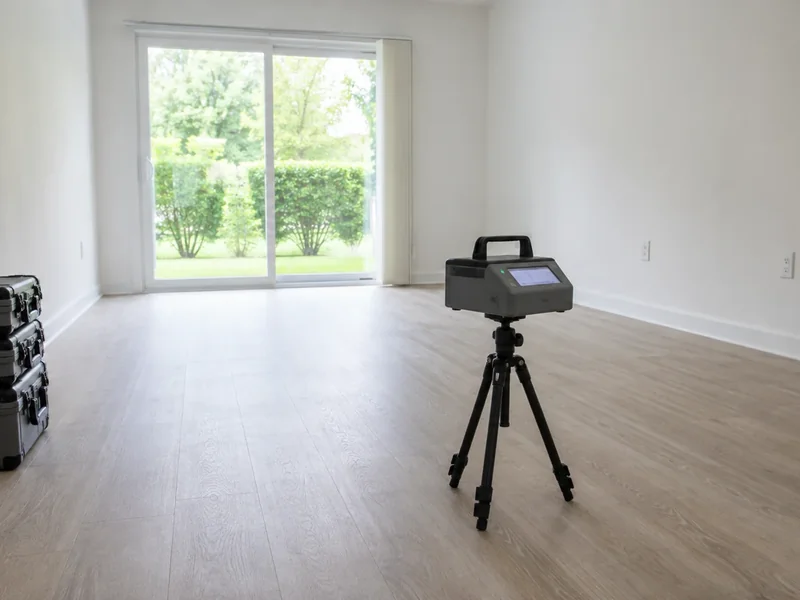
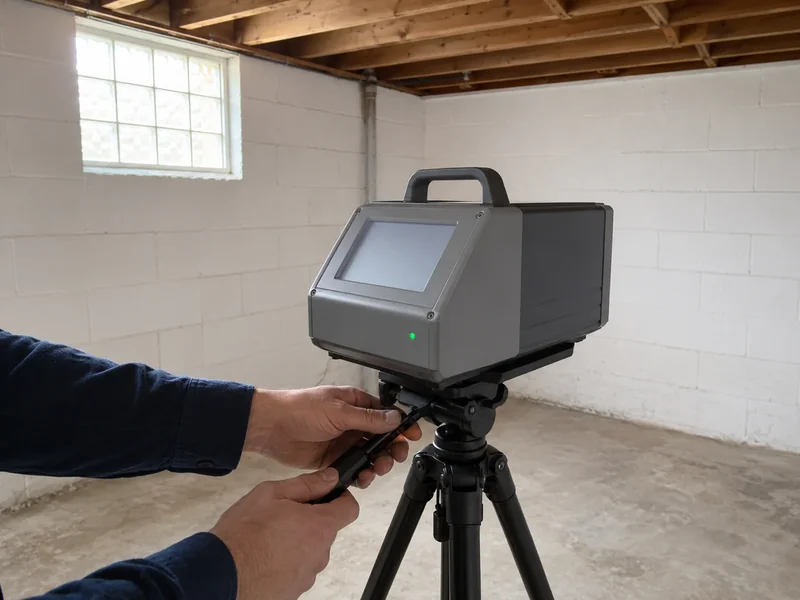
When a home needs radon testing, a continuous radon monitor records hourly readings throughout a multi-day test so you can see changes over time. The time-stamped record helps separate a sustained elevated level from a brief swing. We compare the results with the EPA 4.0 pCi/L action level, the reading at which the agency recommends fixing a home. Residential and real-estate testing can document a starting level, confirm system performance, or support a property transaction.
Our service area includes Waseca, Kasson, Medford, and communities across Steele County in Southern Minnesota. Before planning your system, we consider the foundation type, available vent route, and test results. Post-mitigation verification testing closes out every install before we call the job done. The final result gives you a clear number showing how the system performs in your home or building. Give us a call or use our online form to request a quote on our radon services today.
Get A Free Estimate
Radon Is a Common Problem in Owatonna-Area Homes
- Steele County is EPA Radon Zone 1, the agency’s highest radon-potential category.
- Radon gas rises from uranium-bearing glacial till, the ground-up rock and soil left by glaciers, beneath southern Minnesota. It has no color, odor, or taste.
- Results use pCi/L (picocuries per liter), the unit for radon in air. Neighboring houses can have sharply different readings.
- Elevated radon levels occur in old and new homes, including post-2009 homes with passive vent stacks.
- The Minnesota Department of Health (MDH) reports more than 2 in 5 Minnesota homes above the 4.0 pCi/L action level. The state average runs more than three times the U.S. average.
- EPA attributes about 21,000 U.S. lung cancer deaths each year to radon. It is the leading cause of lung cancer among nonsmokers.
- Radon testing is the only reliable way to learn your level and determine whether radon gas mitigation is needed.
Get a free quote by calling (507) 431-1991 or contacting us via our online form.
EPA Map of Radon Zones for Minnesota
- Zone 1 — predicted average indoor screening level above 4 pCi/L.
- Zone 2 — between 2 and 4 pCi/L.
- Steele County (Owatonna) — Zone 1.
- Published in 1993, the EPA Map of Radon Zones groups counties by predicted indoor radon potential.
- Zone 1 covers 68 of Minnesota’s 87 counties and indicates a predicted average indoor screening level above 4 pCi/L.
- Nineteen northern and northeastern counties are Zone 2, with predicted averages of 2 to 4 pCi/L. Minnesota has no Zone 3 counties.
- Steele County, including Owatonna, has a Zone 1 designation.
- EPA says the map cannot predict the reading in a particular building. Every home should be tested regardless of its zone.
Why Choose Owatonna Radon Mitigation
Owatonna Radon Mitigation is an insured radon mitigation company that has installed hundreds of systems and has over 15 years of radon experience.
Call (507) 431-1991 to schedule your free estimate or request one through our online form.
- We size the fan for your house from three inputs: your radon result, a foundation walk, and pressure-field diagnostics, measurements of suction under the slab.
- Crews follow MDH installation requirements and the ANSI/AARST single-family mitigation standard (SGM-SF), and they seal, label, and tag the piping.
- Minnesota licenses radon mitigation professionals under Minn. Stat. 144.4961. Work is performed by licensed Minnesota radon professionals.
- A sub-zero-rated radon fan and cold-climate condensation control keep your system running through a southern Minnesota deep freeze.
- We verify every installation with post-install testing, using a continuous radon monitor to provide 48-hour follow-up results.
- Your free on-site estimate includes a written scope before work begins.
Radon Mitigation and Testing Services in Owatonna and Steele County
-
Commercial Radon Mitigation
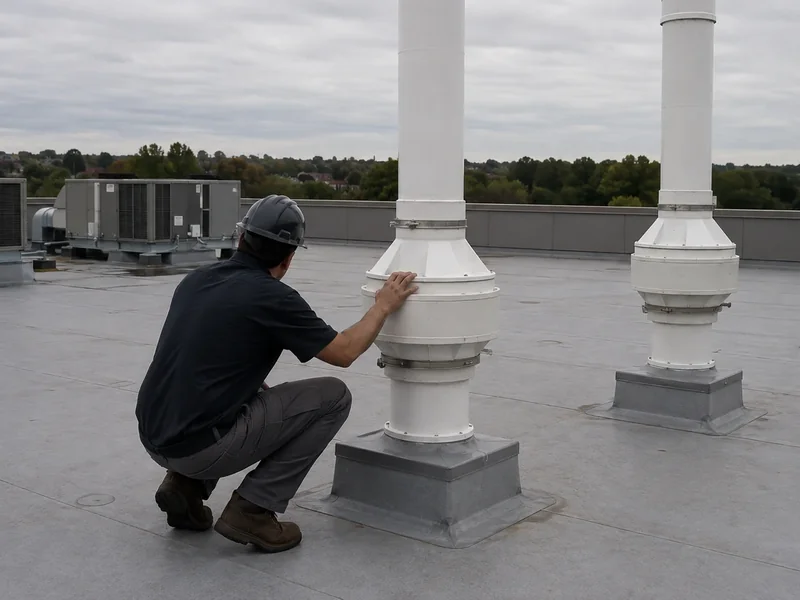
When you are responsible for an office, school, or warehouse, a large slab can feed radon into the building just as a basement slab does in a house. We map the pressure field beneath the slab, then plan suction at multiple points, a method called multi-point active soil depressurization. Commercial-grade fans are balanced across the building, and the design works with the HVAC system while following the ANSI/AARST large-building standard.
-
Multifamily Radon Mitigation
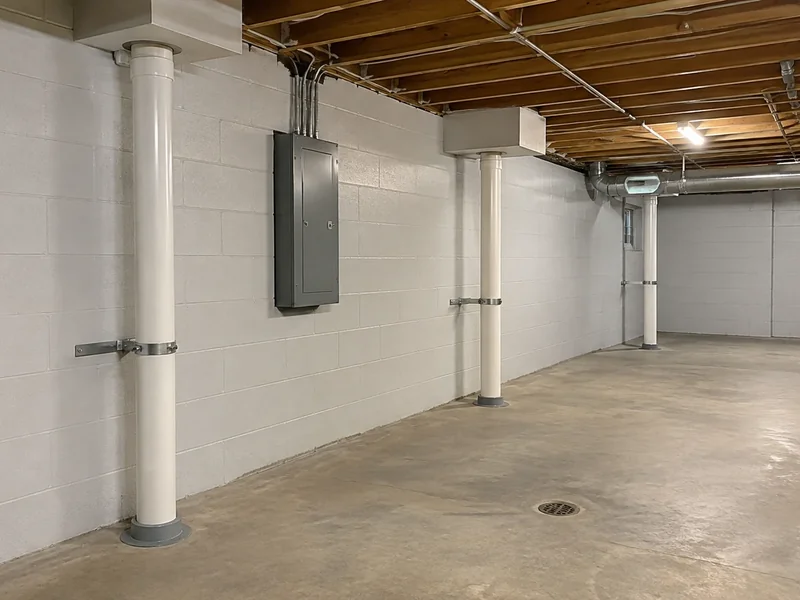
In a multifamily building, one slab can sit beneath many households, while the ground-contact units have the exposure. Unit-level testing shows where radon control is needed. We size zoned suction runs by wing and plan the routing around occupied apartments. Owners also receive the HUD documentation that lenders and housing programs expect.
-
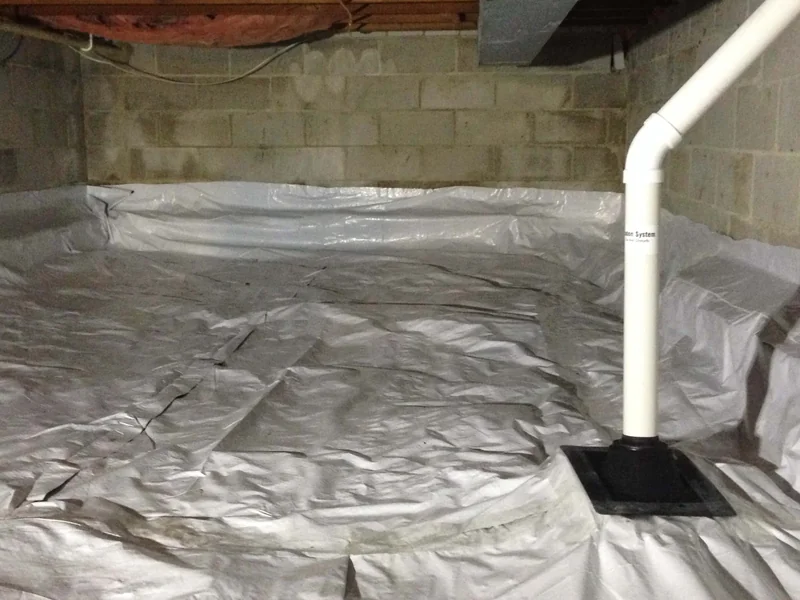
Crawl Space Radon Mitigation
An exposed dirt floor gives soil gas a wide path into the rooms above, so instead of pulling suction under a concrete slab, a crawl space needs a sealed membrane over the soil. We seal a 6-mil polyethylene liner across the soil and up the piers, then place a suction point beneath it. This approach is called sub-membrane depressurization.
-
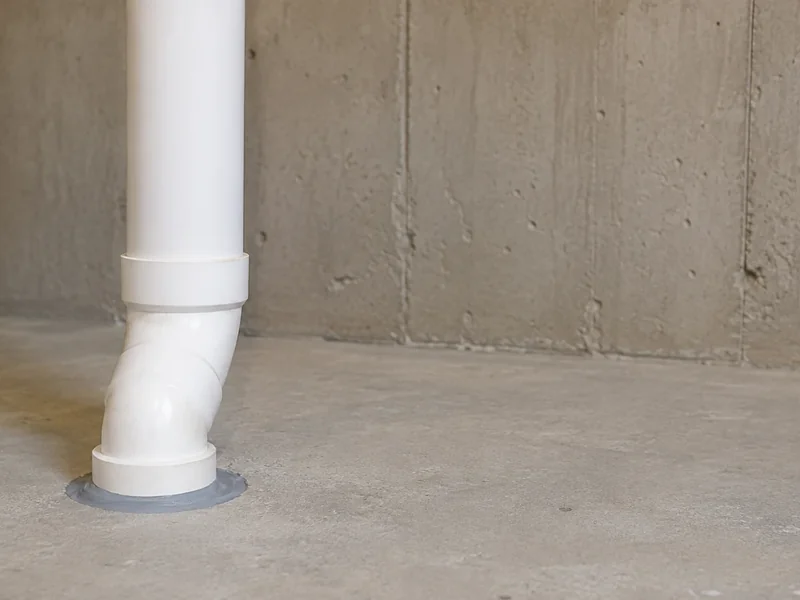
Sub-Slab Depressurization
When radon moves through the soil beneath your slab, the system needs to give it an easier way out. We core a suction pit through the concrete, seal the penetration, and run a schedule 40 PVC riser to a continuous in-line fan. The diagnostics determine the pipe diameter and the number of suction points.
-
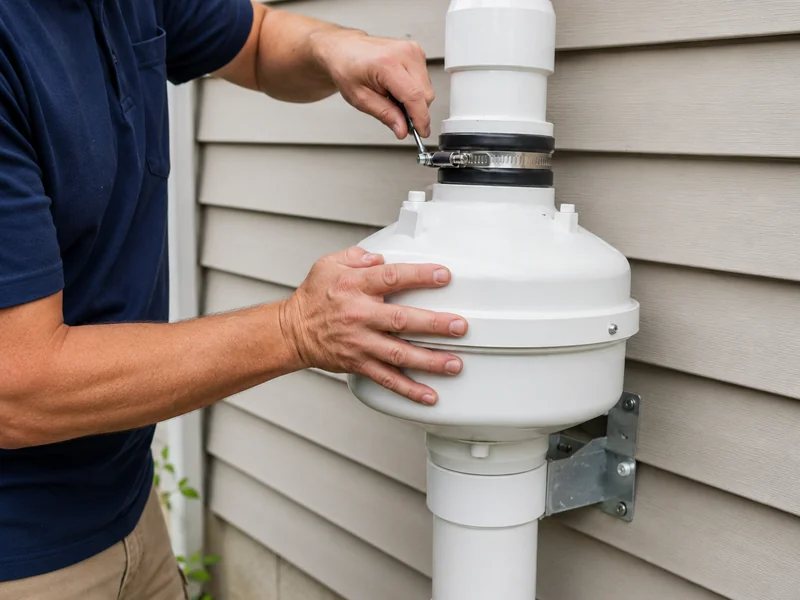
Radon Mitigation System Installation
After an initial elevated reading, you need the mitigation method, pipe routing, and included work settled before installation begins. We handle the project through installation and post-mitigation verification, putting the full scope in writing before work starts and installing the system to MDH requirements. Most single-family systems go in within one workday, and you receive the documentation and the final number.
-
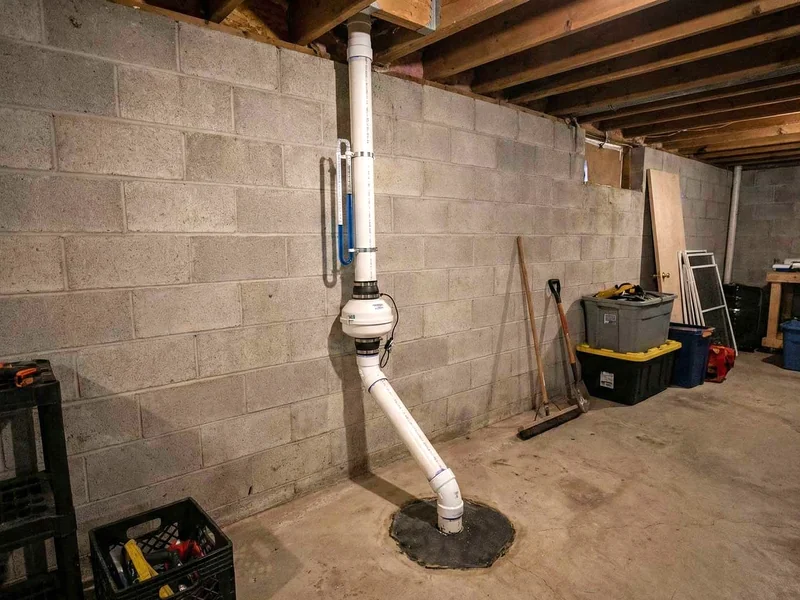
Basement Radon Mitigation
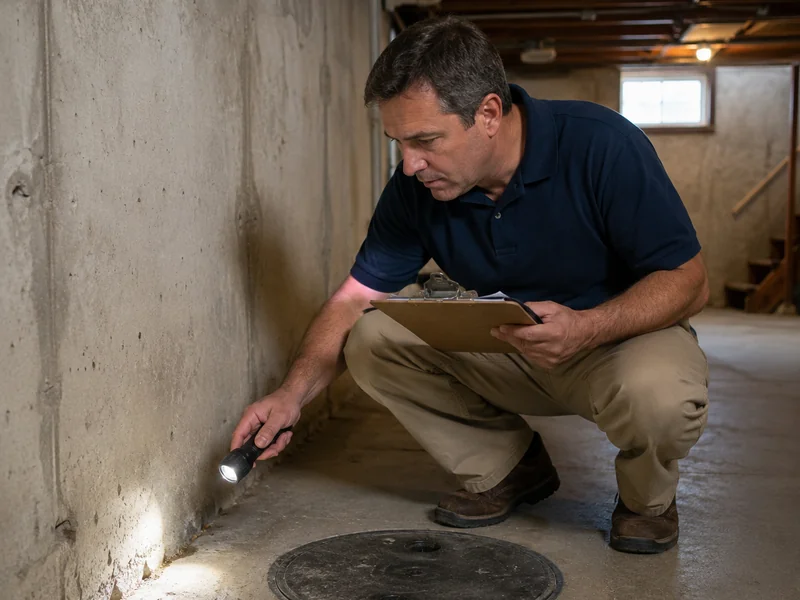
Many Minnesota basements are finished or regularly occupied, so controlling radon at the lowest level of the home matters. Depending on your foundation, we may use drain-tile suction through the drainage pipe that circles the foundation, block-wall suction, or a sealed sump dome. We check the drain-tile loop first because good airflow through the loop can save coring a second pit. In finished rooms, we plan the routing around the trim.
-
Radon-Resistant New Construction
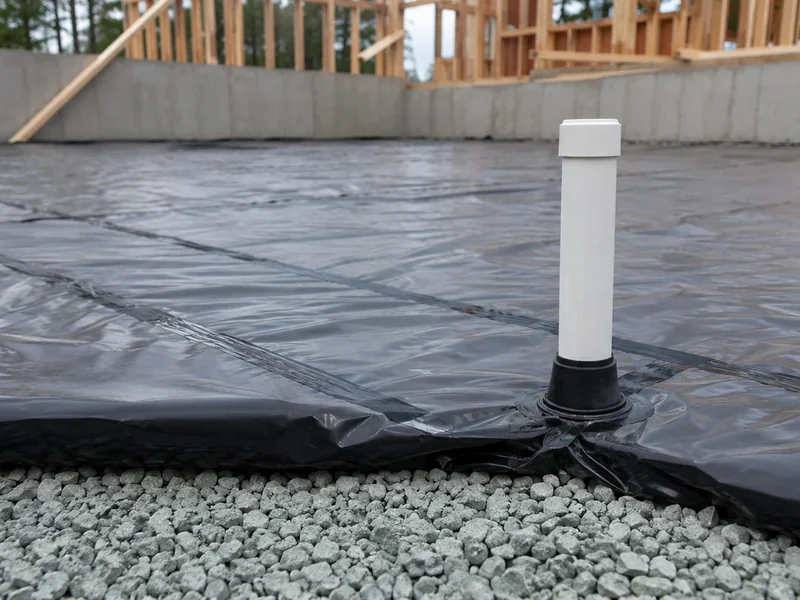
Building radon control into a new home costs less than adding it later. Before the slab pours, we set a gas-permeable aggregate layer, typically 4 inches, beneath a sealed soil-gas retarder. We also rough a vent stack through the roof and install a junction box so it is ready for a future fan.
-
Commercial & Multifamily Radon Testing
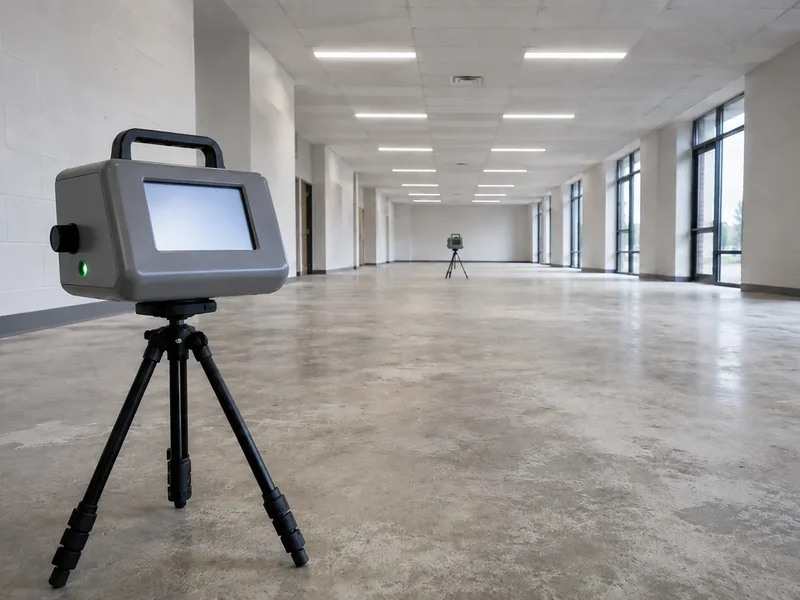
Owners, lenders, and agency reviewers need results that represent the whole building, and one device cannot provide them. We place a fleet of continuous monitors floor by floor, leave them for 48 to 72 hours, and log hourly readings under ANSI/AARST large-building protocols. The reports are formatted for each audience.
-
Passive Radon System Activation
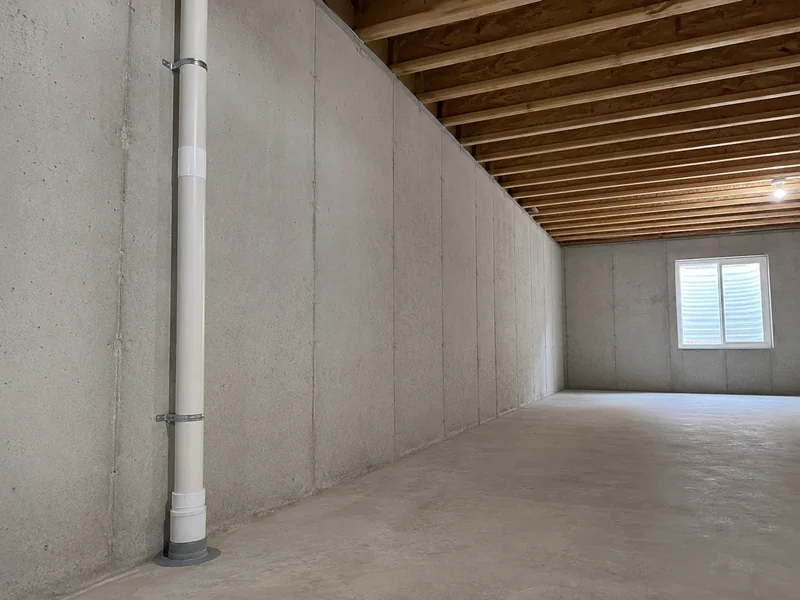
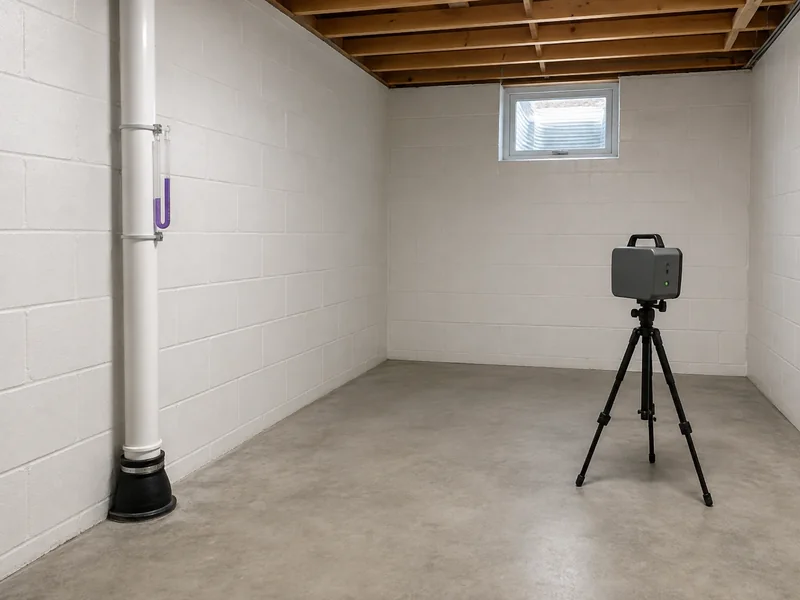
Many newer homes already have the main components of a passive radon system in place, making activation a more direct job. We add an in-line fan and a u-tube manometer, the suction gauge, to the capped rough-in stack and wire the fan onto a permanent circuit. Activation usually takes a few hours, and a retest confirms that the number came down.
-
Radon System Repair & Fan Replacement
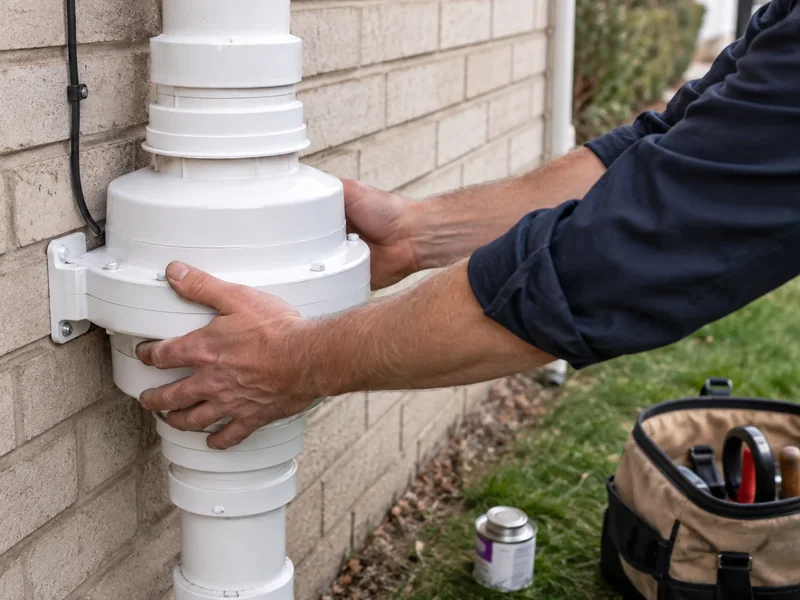
A manometer sitting at zero, a new rattle or whine, or water noise in the pipe means your system has stopped doing its job. We replace the in-line fan, renew the seals and couplings, and correct the pipe slope where winter condensation collects. How long the new fan lasts varies by model and operating conditions.
-
Radon Monitoring & Post-Mitigation Testing
Periodic testing tells you whether a mitigation system continues to keep radon levels down. MDH and EPA guidance calls for a retest every two years, or sooner after foundation work, sump changes, or HVAC alterations. During each visit, we check the fan, piping, and manometer alongside the reading, and the logged data stays with your records.
-
Real Estate Radon Testing
During a home sale, real estate radon testing has to fit within the inspection period. We schedule a 48-hour closed-house test inside that window, keep the windows and doors shut, and use tamper-resistant placement. Both sides receive a third-party report that lists the device, location, conditions, and result.
-
Radon Testing
Before you decide what to do about radon, you need a current number for your home. A short-term test runs 2 to 7 days, while a long-term test runs 90 days or more to give you a seasonal average. Place the device at the lowest occupied level. Test before finishing a basement, after major changes, or whenever the last result is outdated.
Radon Mitigation Systems Built for Owatonna’s Foundations
Your home’s foundation determines where suction can work and which radon mitigation system will fit the structure. Houses on Owatonna’s original 1855 plats sit alongside newer subdivisions, and additions often introduce another foundation type. We begin with a foundation walk-through because the suction method depends on the slab, walls, crawl space, and connected footing zones rather than a standard layout.
Poured, Block and Slab-on-Grade Foundations
Sub-slab depressurization is the starting point under any concrete floor. A single suction pit is typical, but separated slabs or tight sub-slab soil can require more.
With a poured foundation, the system needs to control the paths that carry soil gas into your home. Crews pair suction with floor-to-wall joint sealing and sealed control joints. Because the hollow cores in concrete block walls can carry soil gas, block-wall suction may join the design. Where a perimeter drain-tile loop and sump exist, drain-tile suction can pull from that loop. Slab-on-grade homes use the same radon reduction system principle, with exterior routing suited to a house without a basement.
Free Quote Form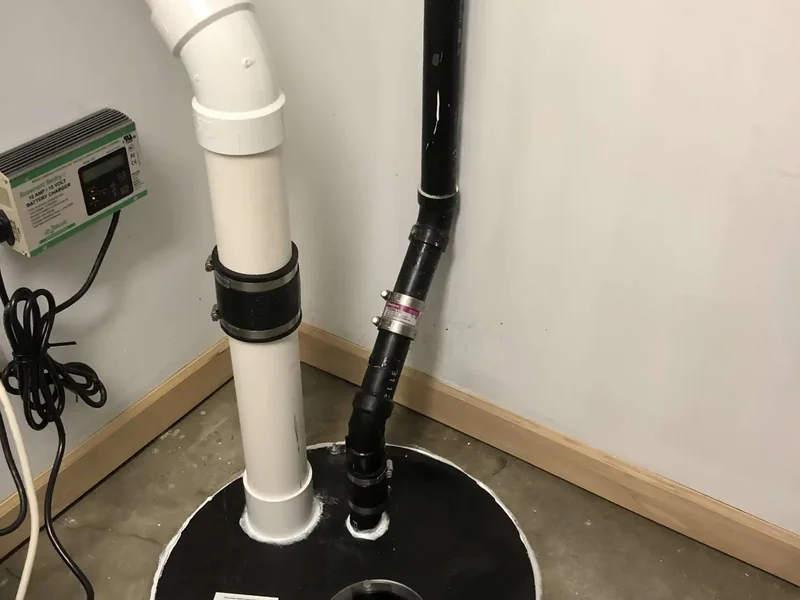
Crawl Spaces and Combination Foundations
A crawl space can let radon and ground moisture rise into your house, so it calls for sub-membrane depressurization. On a combination foundation, the basement, crawl space, and slab may not share air freely. We use multi-point suction balancing so a single fan can serve connected zones when airflow supports it. Separate runs handle isolated areas.
Diagnostics, Sealing and System Design
Our diagnostic testing supplies the measurements for fan sizing, suction-point placement, and the sealing plan. We use those readings to match the equipment and piping to the foundation.
Pressure-Field Diagnostics Before the Design
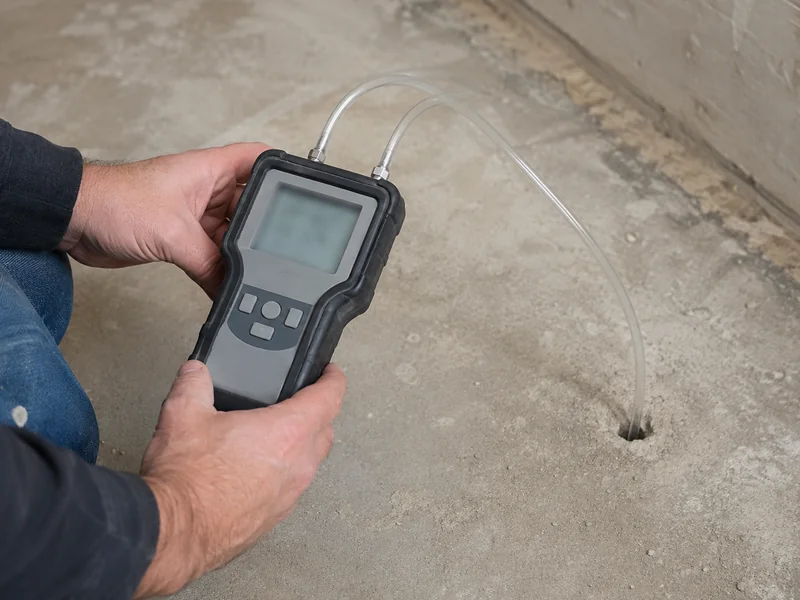
The fan model and final suction-point count depend on how far vacuum can travel beneath your floor. A pressure-field extension test provides that answer. We apply test suction through a small hole and check probe holes across the slab with a sensitive digital pressure gauge called a micromanometer. Coarse sub-slab aggregate carries suction farther than compacted sand or clay, so tight soils can call for a second suction point.
Sealing, Pipe Routing and Fan Placement
Common radon entry points into your home include slab cracks, floor-to-wall joints, utility penetrations, open sump baskets, and exposed crawl-space soil. Polyurethane caulk closes the narrow gaps, while an airtight sump dome covers the basin without blocking pump service. With those openings sealed, the fan pulls soil gas instead of conditioned house air.
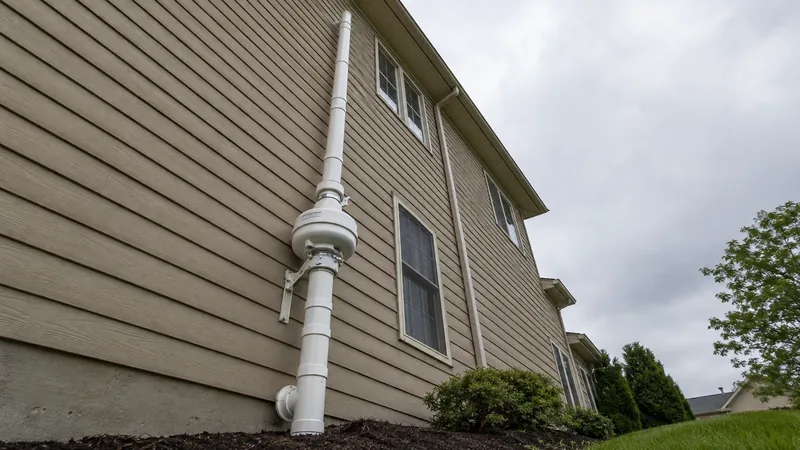
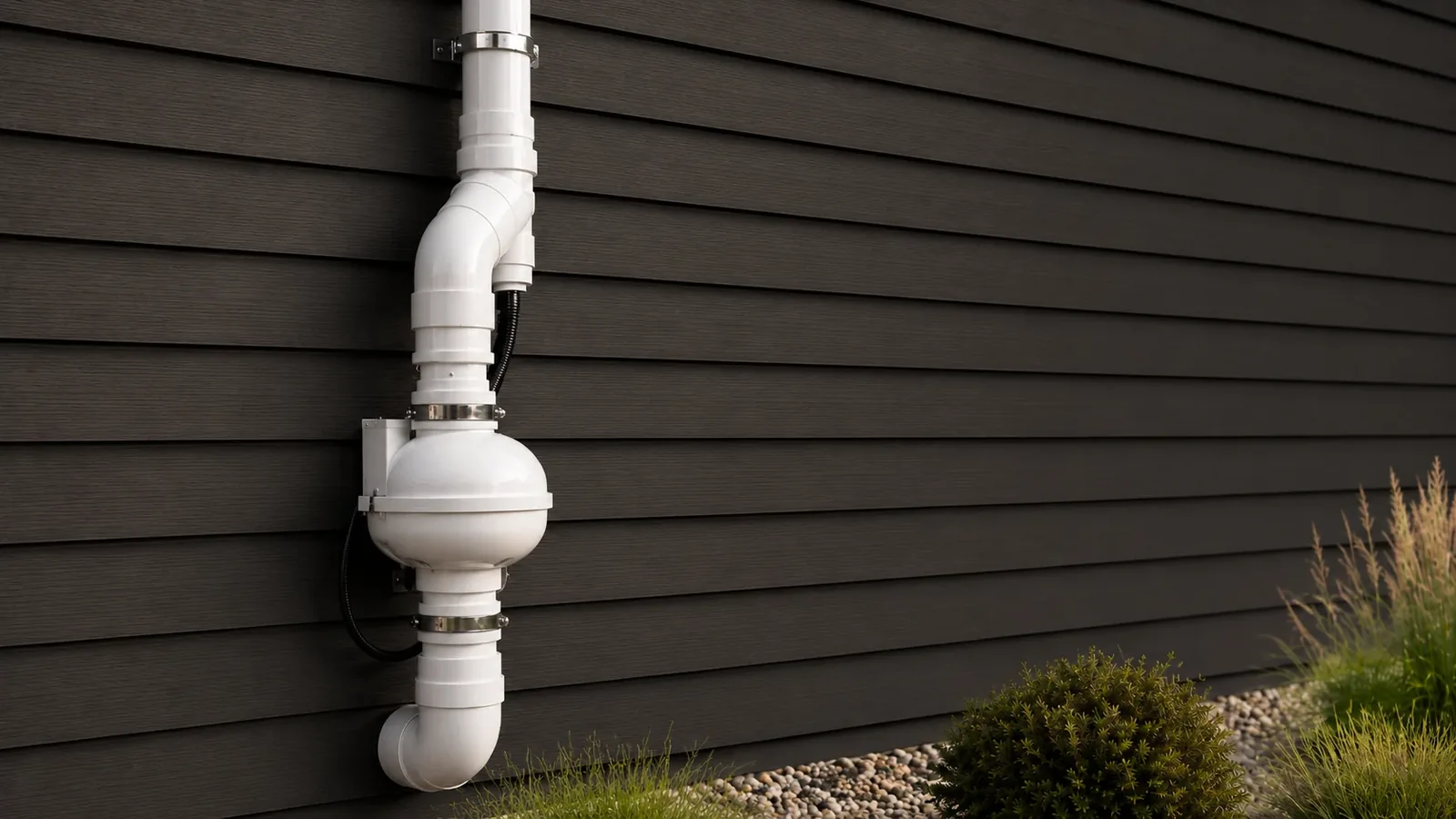
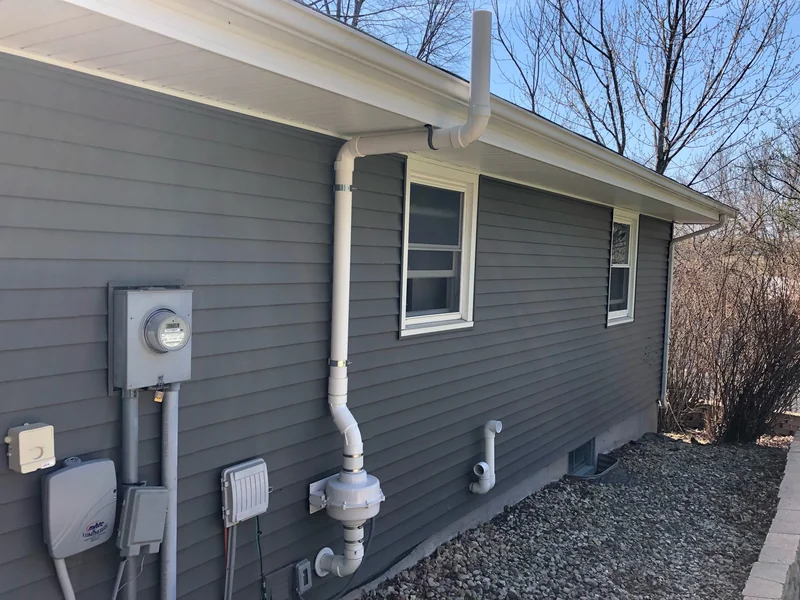
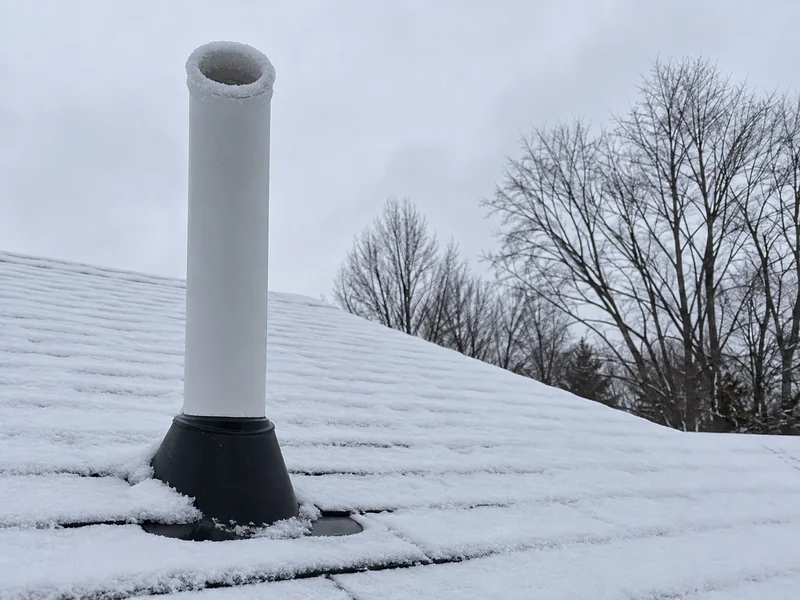
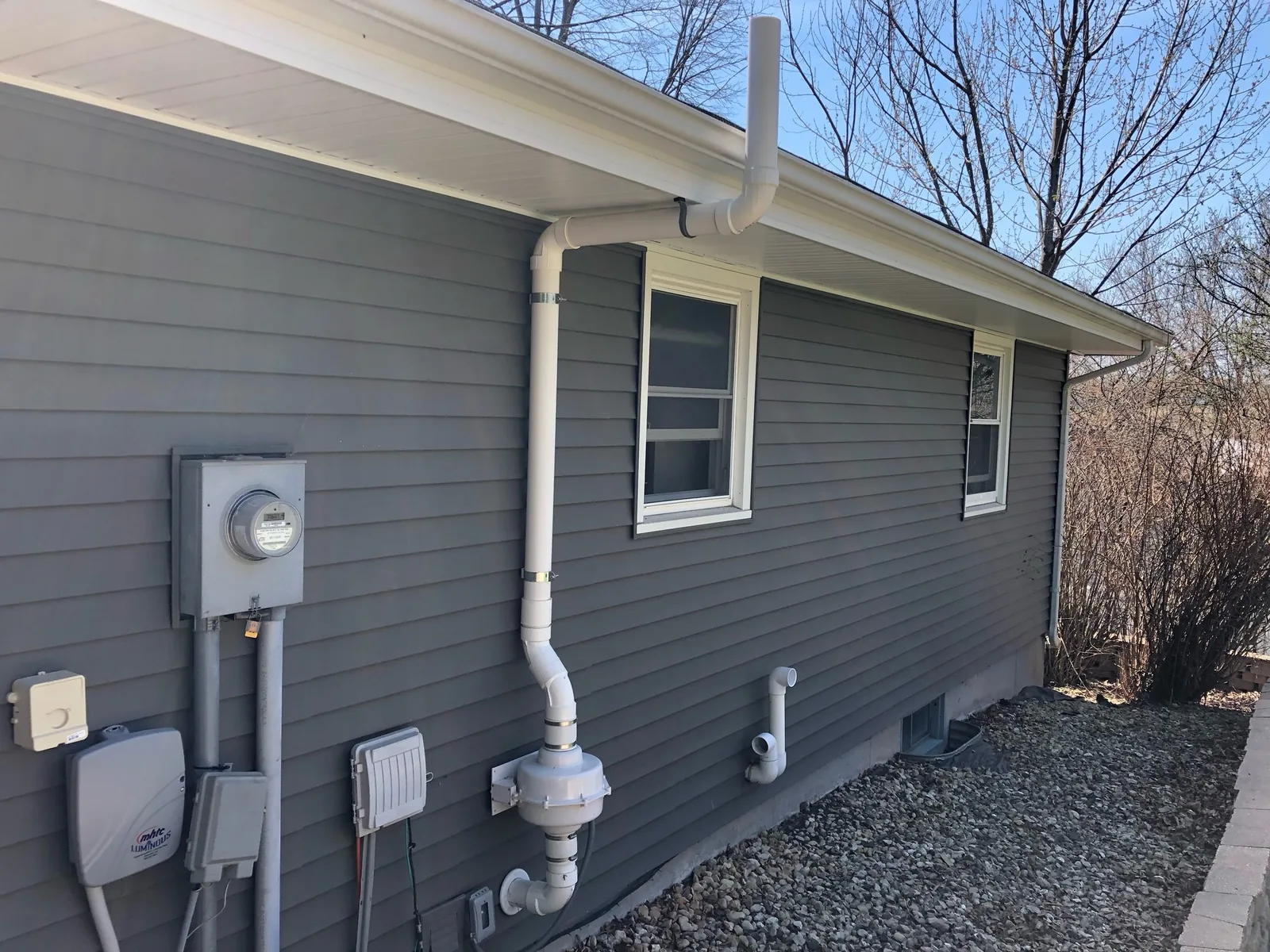
The route of your radon vent pipe affects its appearance, access for service, and exposure to winter weather. The pipe can run through a closet or garage to a radon fan located in the attic, or it can follow an exterior wall. We weigh those factors when choosing between the routes. The finished radon vent system discharges above the roofline and away from windows, following MDH installation requirements.
Free Quote FormActive vs. Passive Radon Systems
When your newer Owatonna home already has a passive rough-in, activation is often the simplest way to add powered radon reduction. A passive radon system and an active radon system share the same radon vent system, a pipe run that carries soil gas from beneath the floor slab to a discharge above the roofline. The key difference is the in-line radon fan. A passive-to-active conversion adds the fan to turn the existing stack into a powered radon reduction system.
Passive System
- Without a fan, a passive stack relies on natural stack draft, which uses the pressure difference between the soil and outdoor air to move soil gas through the vent pipe.
- Since June 2009, Minnesota's radon-resistant new construction code has required new homes to include a passive rough-in.
- The passive system runs silently and uses no electricity.
- Because the suction depends on the weather, it changes by season and may not keep your home below the 4.0 pCi/L action level.
Active System
- In an active system, an in-line radon fan runs continuously to maintain negative pressure beneath the concrete.
- When air moves freely through the material under the slab, radon reductions of 90% or more are common.
- A liquid gauge called a u-tube manometer lets you check the system’s suction at a glance.
- The radon fan belongs in an unconditioned attic, garage, or exterior location, never inside your occupied living space.
- Most radon fans draw about 50 to 90 watts around the clock.
Testing determines which setup your home needs. When a result is above the action level and the home already has a capped vent pipe, activation is usually the answer instead of a whole new system.
How Much Does Radon Mitigation Cost in Owatonna?
A realistic statewide range gives you a starting point for planning, and we confirm your exact radon mitigation cost after an on-site inspection. Radon abatement and remediation are other names for mitigation. Your quote should describe the full system in a written scope. An initial radon test is quoted separately, and the mitigation estimate itself is free.
What an Installed System Costs
MDH cost guidance places most Minnesota installations at about $1,500 to $3,000. The typical price includes the site evaluation, the installed system, licensed electrical work, and the post-mitigation test. Because the fan runs continuously, it costs a few dollars per month to operate at typical Minnesota residential electricity rates.
What Changes the Price
The foundation conditions beneath your home explain much of the variation in radon system cost. As crawl-space square footage increases, so does the cost of sub-membrane material, while the diagnostic results determine the suction-point count. Other factors affecting the radon mitigation price include longer pipe runs, interior vs exterior routing, finished-basement carpentry, and the distance to a suitable electrical circuit. Before choosing an unusually low bid, check the written scope for sealing, electrical work, permitting, and the verification test; that is usually where the difference sits.
Our Installation Process, From First Call to Verified Radon Levels
Knowing what to expect makes a radon mitigation installation easier to plan. Owatonna Radon Mitigation keeps your side of the process simple, beginning with your test result and a free on-site estimate and ending with documented verification of the finished system.
-
Share Your Radon Result or Book a Test
Your test result is the starting point, so send us an existing result or schedule a new test. We can discuss a preliminary price range by phone, but we inspect the home before providing firm pricing.
-
Free On-Site Estimate and Foundation Look
Because the foundation, sump area, and practical vent routes shape the system plan, we inspect each one and identify any diagnostics needed before preparing the plan.
-
Written Proposal With the Full Scope
Before you approve the project, your written proposal identifies the suction points, fan, sealing, pipe route, licensed electrical work, and post-mitigation verification test so you can see what the installation includes.
-
Installation Day
Most single-family installations take one day, making it easier to plan around the work. During the installation, our crew completes the drilling, piping, sealing, and fan placement, then cleans the work area.
-
Licensed Electrical Hookup and Walkthrough
Once the fan is in place, a licensed electrician connects it. We then review the manometer reading, system labels, and operating information with you before placing the required MDH system tag.
-
Verification Test and Documentation
The finished system still needs testing to verify the radon level after installation. Following EPA post-mitigation testing protocol, testing begins at least 24 hours after fan startup and continues for a minimum of 48 hours. You receive the documented results. If the reading still sits above the action level, we adjust the system and retest.
Why Radon Runs Higher in a Minnesota Winter
During Minnesota’s six-month-plus heating season, homes stay closed, and indoor heat increases the pressure difference that can concentrate radon inside during winter.
Stack Effect in a Heated Home
The winter increase begins when warm indoor air rises and lowers the pressure near your foundation. The resulting stack effect pulls more soil gas in through the foundation, and the pull is strongest during deep cold. Closed windows reduce dilution, while snow cover and frozen surface soil limit the gas’s upward escape and redirect it toward the warmer foundation. Owatonna winters can reach -35°F and colder.
Testing in the Heating Season
Winter testing captures the toughest conditions your house faces and can give you useful information when a summer result sits near a decision threshold. EPA short-term testing protocol calls for closed-house conditions for at least 12 hours before placement and throughout the test. You can test in any season.
What to Look For in a Radon Mitigation Bid
When you are comparing radon mitigation bids, MDH consumer guidance gives you a practical way to judge what each contractor is offering. Ask radon mitigation professionals for a written scope comparison, then check every promise against the closeout documents you receive after the work.
Questions to Ask Before You Sign
A radon quote provided only by phone or email can miss foundation details that affect the work and the final price. Start by checking each bidder against the MDH licensed-professionals list, and insist that every bid follow an on-site visit. Compare the written scopes line by line, including the suction points, fan model, sealing, and work by a licensed electrician. A missing item can become a change order later. Make sure the post-mitigation test appears in the written scope rather than as an optional extra.
The Closeout Package You Should Receive
Clear system labeling along the pipe run keeps future owners and people in other trades from mistaking the radon system for plumbing. Your installer should provide those labels. The MDH radon system tag is required on professional installations and lists the installer’s name, phone number, installation date, and license number. MDH lists the current system-tag fee (). Your documentation should also include operating and maintenance instructions, the documented verification result, and fan warranty paperwork. A 5-year fan warranty is the norm among major manufacturers.
Ventilation, HRVs and Other Radon Reduction Methods
When suction alone needs help lowering radon in your home, other radon reduction methods can support it. Soil depressurization anchors most radon solutions, while a radon ventilation system adds supplemental ventilation that dilutes indoor radon.
Ventilation and Pressurization
Homes with crawl spaces or suitable lower levels may need another way to limit the soil gas entering the foundation. Crawl-space ventilation uses passive vents or a fan to dilute soil gas and reduce the pressure pulling gas through the foundation. Basement pressurization uses a fan to push air downward and reverse the pressure direction, but lower-level doors and windows must stay closed for it to work. Because weather changes the results, both methods assist a suction system. Sealing supports every method.
Heat Recovery Ventilators
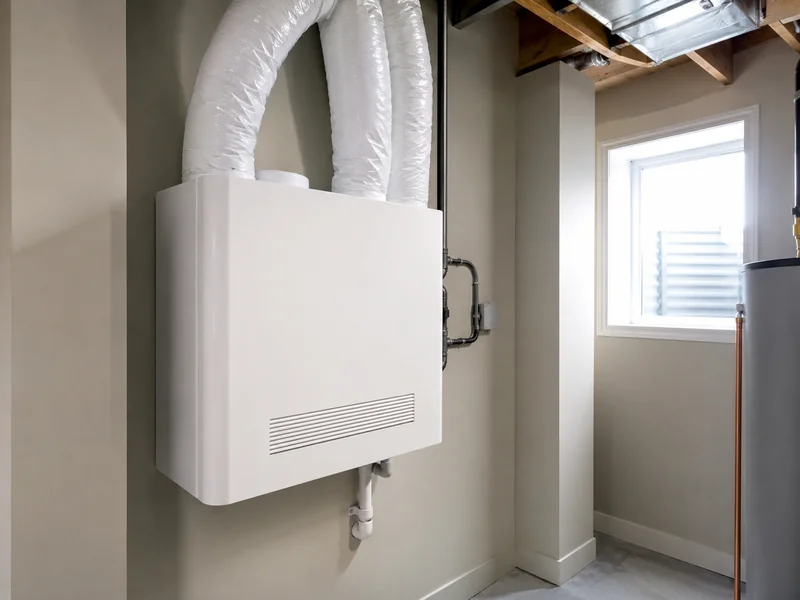
Bringing fresh outdoor air into your home can lower radon through dilution while improving indoor air quality. A heat recovery ventilator (HRV), also called an air exchanger, transfers heat from the outgoing air to the incoming air. A typical unit keeps roughly 70% of that heat in the house, which matters across a Minnesota winter. We size each HRV to the space it serves and pair it with soil suction.
Radon Mitigation Across Owatonna and Southern Minnesota
Owatonna is the Steele County seat, and the Straight River runs through the city. The city was settled in 1854 and had a population of 26,420 in the 2020 census. Local landmarks include the National Farmers Bank by Louis Sullivan (1908), the Steele County Free Fair, Kaplan's Woods Parkway and Lake Kohlmier. Federated Insurance and Viracon anchor the local economy, while Interstate 35 connects Owatonna with the rest of southern Minnesota.
Homes range from properties near the original plats to new subdivisions, and each foundation era can call for a different approach to radon mitigation. A local radon mitigation company must understand them all. Deep winter frost, a long heating season and about 44 inches of annual snowfall also affect radon levels and system design.
Areas We Serve
Homeowners, property managers and businesses throughout Owatonna and nearby communities can turn to Owatonna Radon Mitigation for service. Our regular service area reaches across Steele County and neighboring parts of southern Minnesota, extending about a 30-minute drive from the city.
- Owatonna, MN
- Medford, MN
- Waseca, MN
- Blooming Prairie, MN
- Ellendale, MN
- Claremont, MN
- West Concord, MN
- Dodge Center, MN
- New Richland, MN
- Morristown, MN
- Waterville, MN
- Kenyon, MN
- Hayfield, MN
- Kasson, MN
- Mantorville, MN
- Janesville, MN
Neighborhoods We Serve in Owatonna
- Mineral Springs Estates
- Emerald Acres
- Autumn Hills
- Cedar Valley
- Country Creek
- Eden Valley
- Edgeview
- Falkland Woods
- Kelly Heights
- Briarwood
- Brooktree
- Buecksler
What Steele County Homeowners Say
-
“Our basement reading had us worried. The crew explained the system layout, kept the pipe route tidy and verified the finished installation with a follow-up test. The result came back below the EPA action level.”
Sarah M.
-
“We needed a radon test completed during a tight home-inspection window. They set the monitor promptly and delivered the report within 48 hours, which kept our purchase and closing on schedule.”
Daniel R.
-
“Our newer home already had a passive rough-in stack. They checked the existing piping, added the fan and had the active system running that afternoon without opening finished walls.”
Melissa T.
-
“They designed a multi-point system for our commercial building and scheduled the installation around daily operations. Staff could keep working while the crew completed the pipe, fan and suction-point work.”
James K.
-
“Years after the original installation, the fan stopped working. They replaced it, checked the vent piping and confirmed suction on the manometer before leaving that day.”
Rebecca L.
Frequently Asked Questions
Does a Radon Mitigation System Actually Work?
Yes. MDH says a quality radon mitigation system may keep levels below 2 pCi/L throughout the year. Every install here ends with a follow-up test, so you see the finished number for yourself.
What Does Radon Mitigation Cost Here?
MDH lists a typical statewide cost of $1,500 to $3,000. Crawl-space membranes and multi-point systems trend higher; we set your exact price at the free estimate visit.
Can I Install a Radon Mitigation System Myself?
Minnesota lets you mitigate a home you own and occupy. Anyone working on another person’s building needs MDH licensure; fan sizing, diagnostics and code-compliant venting are common DIY trouble spots.
Should I Walk Away From a House With Radon?
Usually, no. Radon is a fixable indoor-air issue. A 48-hour transaction test and written mitigation quote let buyers and sellers price the work into the deal.
What Month Is Radon the Highest?
Winter readings often run highest, with January and February providing the strictest test conditions. Testing remains valid in any season when you follow closed-house requirements.
Does Homeowners Insurance Cover Radon Mitigation?
Usually, no. Insurers generally classify radon mitigation as a home improvement instead of sudden covered damage. Check your policy; buyers and sellers often negotiate the expense during a sale.
Is It Hard to Sell a House With a Radon System?
No. Minnesota’s Radon Awareness Act requires sellers to disclose known radon information. A tagged system, installation records and a passing verification test show buyers the issue has been addressed.
Is a Radon Fan Noisy?
A radon fan makes a low, steady hum from an attic, garage, or outdoor mount, never from living space. We route the pipe away from bedrooms where the layout allows. A new rattle or whine means it needs service.
Should I Test My Well Water for Radon?
We test and mitigate radon in air. Homes on private wells can also carry radon in water, which escapes into the room during showers and laundry. Water testing goes through a certified lab, and we can point you toward one.
Get a Free Radon Estimate in Owatonna
If you already have a radon test result, send it over. If you have not tested yet, we can start with the test. During the free estimate, we inspect your property on site and prepare a written scope that explains the recommended work.
Call Owatonna Radon Mitigation at (507) 431-1991 or use our online form to request an estimate for your home or building anywhere in Steele County.